

[Advertisement]

Absolutely beautiful: The Philippines with over 7,600 islands
Philippine Fruits in Focus | Discover the Philippines – Things are about to get exotic! We're traveling to the Philippines. Unfortunately, only virtually, but with plenty of exciting information, good vibes, and sunshine in tow. Today, I'm not just introducing you to the Philippines as a beautiful vacation destination, as some of you may already know, but I'm also exploring the rich world of exotic fruits, Philippine superfoods, and the diverse culinary delights of the islands. Find out what makes the Philippines so special and why you should definitely visit for more than just white sand beaches and sunshine.
The world of exotic fruits: "Enjoy the taste of the Philippines!"„
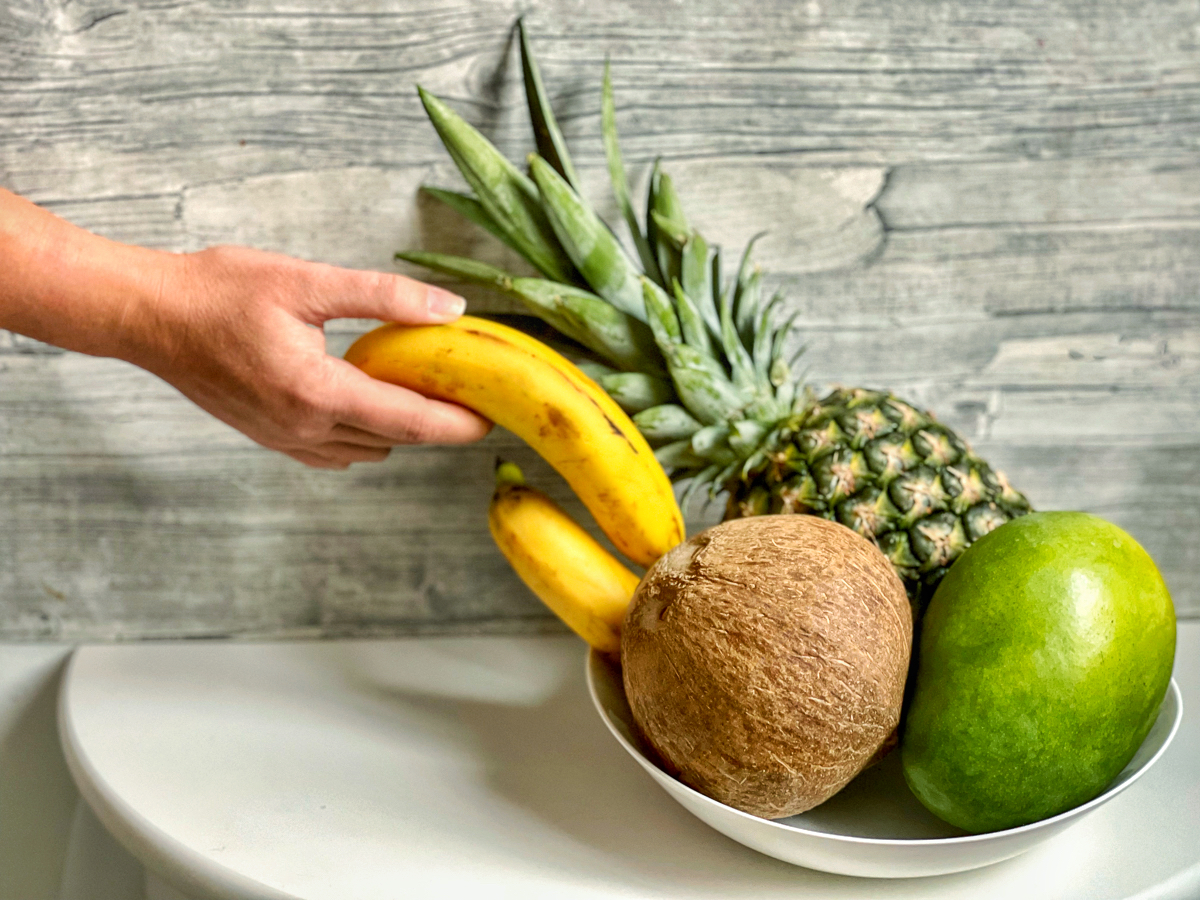
Fruit is known to be a great immune booster all year round. But especially now in winter, we need to pay attention to adequate vitamin intake and a healthy diet. Fruit is perfect for this, in particular Philippine superfruits, packed with vitamins and offering a taste of vacation. These are probably the best-loved fruits in this country. The most well-known fruits of the Philippines are the mango, the pineapple, the coconut, bananas and calamansi.. Each of these fruits is deeply rooted in Philippine culture and is a healthy and nutritious friend in the kitchen.

The Philippines has a lot to offer in terms of cuisine – numerous markets provide insights.
Let's take a closer look at these delicious fruits. We'll start with the mango. The mango is the national fruit of the Philippines. A typical and also the most important mango variety on the islands is the... „Carabao“ mango (also the name of a native breed of domesticated water buffalo), also called "Philippine or Manila mango." Just smell a Carabao mango! The aroma is—depending on the variety—absolutely unique. It's not only eaten fresh, but also preserved, dried, and processed into various foods. (I'm crazy about mango jam, mango tart, mango ice cream, or even a mango smoothie...).
Today, the mango has become, after the banana and pineapple, the third most important fruit in the Philippines Mango cultivation has flourished, and now around 2.5 million (!) small-scale Filipino farmers grow mangoes on over seven million mango trees. Clearly, compared to other Philippine foodstuffs (rice, corn, coconut, sugarcane, etc.), mangoes are a high-value crop and give the Philippine economy a significant boost.
The Philippines hosts various festivals, such as those celebrating the bountiful mango harvest. Those wanting to sample sweet mangoes in the Philippines should travel there. in May in the province of „Guimaras“, Guimaras, the mango capital of the Philippines and home to the eponymous "Guimaras mango". The island attracts up to 90,000 tourists. Mango or „Guimaras Festival“ It was celebrated. A truly unique spectacle. And if you're there, be sure to ask about the Philippine „"Green Mango"“. Mangoes, by the way, are very healthy despite their high sugar content, especially because of their high vitamin content (B, C, E), folic acid, and beta-carotene (a precursor to vitamin A). They also provide important minerals (potassium, magnesium, calcium, etc.). So do yourself a favor and treat yourself to a mango.

The Philippines are partly known for their rice cultivation.
Continue with the coconut. How about you? – I love everything coconut-related :). Did you know that the Philippines is the second-largest producer of coconut products worldwide, after Indonesia? Cool, right? That ties in nicely with these figures: Nearly 85 of the Philippine provinces produce coconuts and are operated by 2.5 million coconut farmers. This means that 3.6 million hectares of land are covered with coconut palms – that's equivalent to 5,042 football fields. There are over 340 million fruit-bearing coconut palms in the Philippines, producing 14.4 million tons of coconuts annually. Incredible, isn't it? It won't surprise you, then, that coconuts are a staple food in the Philippines. They're used in main dishes and desserts and are practically ubiquitous in the local kitchen. Want to see for yourself? 😉 – Then the best thing to do is travel to the Philippines. Davao Region in the Philippines. This is the largest coconut producer, producing up to 15 million of the country's coconuts annually and is a major employer for the islands.
We all know that coconuts aren't just great as a fruit and a drink; they also have healing properties, for example in the form of virgin coconut oil. Coconut milk, flour, flakes, shreds, chips, activated charcoal (shell), and much more are also made from coconuts. (Imagine a plate of cookies without coconut macaroons. Unthinkable! :)).
Locally, it is also used as an everyday object (bowl), as well as animal feed, building and heating material, tableware, jewelry, or musical instrument. Incidentally, coconuts are extremely sustainable fruits. They are traditionally used completely, beyond just the juice and flesh – „"No waste" also applies to the coconut.. That's why the coconut palm in the Philippines has earned the affectionate name "Tree of Life"—beautiful, isn't it? If you're tempted to tuck into a coconut right now, you're doing yourself a favor: coconut is easily digestible, rich in minerals and fiber, supports blood formation, and contains vitamin B—so you can indulge in a few extra calories ;). Fun fact: Botanically speaking, the coconut isn't a nut, but a drupe, and one in about 11,000 coconuts contains a "coconut pearl," which looks just like a real pearl, but unfortunately isn't worth much ;). Happy hunting!
The next fruit I'm going to introduce to you is the pineapple. The Philippines are also important to them. the second largest producer worldwide. Locally, the fibers of the leaves are processed into textile fibers ("piña") and Filipino clothing – primarily in the Philippine city of Kalibo. Of course, pineapples are also healthy. They are rich in vitamins (primarily C), minerals (calcium, potassium, magnesium, iron, phosphorus, zinc, etc.), and enzymes (bromelain, invertase, etc.). With 20 milligrams of vitamin C per 100 grams, they also provide about one-fifth of your daily vitamin C requirement.

The beautiful and vast nature of the Philippines is just one reason to travel there.
The following are still missing: Calamansi and the Banana. The former is used in German „"Calamondin Orange"“ They are also called "Philippine lime/lemon", "golden lime", "Panama orange" or "musk orange". They are hybrids of the mandarin orange ("Citrus reticulata") and the kumquat ("Fortunella margarita").
For those unfamiliar with it: The calamansi is a fruit tree native to the Philippines and also the most commonly cultivated "backyard tree" in the country. They are grown exclusively in the Philippines on a large scale, primarily for their juice. This juice is then consumed in places like the USA, Japan, South Korea, Canada, and Hong Kong. To help you identify a calamansi, here are a few distinguishing features: It is approximately three centimeters in size and tastes very different depending on the degree of ripeness.. The orange flesh, which tastes sweet and sour when ripe, is attached to the peel. When unripe, it is green and is used in the Philippines as a juicy lemon-like fruit. When yellowish, the calamansi tastes either sweet or sour.
In the Philippines, it is ubiquitous in virtually every kitchen and It ends up in drinks, spices, dishes, marinades and canned goods.. If you're a tourist in the Philippines and you eat "sinigang"—a sour meat or seafood broth—you've almost certainly tried calamansi. While you're there, be sure to ask for a refreshing calamansi lemonade. Why shouldn't you miss trying this tangy fruit? Because it's rich in phosphorus, calcium, iron, and vitamin C, and extremely versatile—for household use, cosmetics, cooking, and medicine. When you try the fruit, it's best to dilute its juice with water and sweeten it with your preferred sweetener.

Who among you has already been there and experienced a boat tour?
Last but not least: the one we all know bananaWith the exception of some parts of the country („Metro“ and „Manila“), bananas are eaten and consumed throughout the Philippines. Thus, the The Philippines is the world's second largest exporter of bananas. However, "not all bananas are created equal," as there are many different varieties: „Latundan, Lacatan, Saba, Cavendish and Señorita“, distinguishable by their different size, shell thickness and taste.
The different banana varieties are also "served" and eaten differently in the Philippines. I know many people who, incomprehensibly to me, don't like bananas. I love bananas! They are a good source of potassium and fiber, rich in vitamins and minerals, and also contain folic acid, iron, copper, and beta-carotene. A true all-rounder! Bananas are also a popular fruit in the beauty industry; personally, though, I prefer to eat them. 😉
To the The most important banana varieties in the Philippines counts „"Saba banana"“. It is the most versatile of all banana varieties, and its fruit has the same nutritional value as potatoes. Bananas are eaten as a dessert after meals, as bread, as a rice alternative, raw, cooked, mashed, as a seasoning, and in many other ways. Incidentally, the "cliché" that Bananas (just like chocolate) make you happyThe amino acid tryptophan is converted into serotonin by the body and used directly in the brain – presto, happiness! 🙂 If you're a banana fanatic, you can look for them on site. Local dessert „Turon“ Ask. These are banana spring rolls with jackfruit. Sounds delicious, doesn't it?

Fruit, fruit, fruit! A staple food in the Philippines
Try it yourself! – Travel to the Philippines
That was quite a lot of fruity input, wasn't it? But also pretty exciting, right? – The Philippine Tourism Board is planning a tourist comeback, and who knows, maybe we'll soon be able to eat all those exotic fruits described and soak up the sun. Until then, simply bring that Philippine vacation feeling home.

Now on my bucket list: Traveling to the Philippines and experiencing its culinary delights!
The Philippines as a destination
The Philippines consists of thousands of islands—more than 7,600 to be precise—and is home to over 108 million people. No two islands are alike. It's said that anyone who has been there once will want to return again and again. And no wonder! Beautiful white sandy beaches stretch along the coast, lush green rice terraces dot the landscape, tropical rainforests flourish, and exciting metropolises offer endless experiences. The culinary scene and local cuisines are equally unique and unforgettable. There's so much to enjoy: relaxation, feasting, diving, hiking, strolling, and much more. For example, you could hike through the legendary Chocolate Hills, cruise along underground rivers by boat, or explore the Philippines' colonial past in Malina. You certainly won't be bored in the Philippines. Click here to... Pocket Guide to the Philippines.
+++ This article was created in cooperation with the Philippine Tourism Authority. Thank you! +++
Philippine fruits in focus | Discover the Philippines
Details: Philippine fruits: mango, coconut, pineapple, banana, calamari
Website
Pictures:

-

- The Philippines are partly known for their rice cultivation.
-

- The Philippines has a lot to offer in terms of cuisine – numerous markets provide insights.
-

- Now on my bucket list: Traveling to the Philippines and experiencing its culinary delights!
-

- Who among you has already been there and experienced a boat tour?
-

- Fruit, fruit, fruit! A staple food in the Philippines
-

- The beautiful and vast nature of the Philippines is just one reason to travel there.






Leave a Reply